

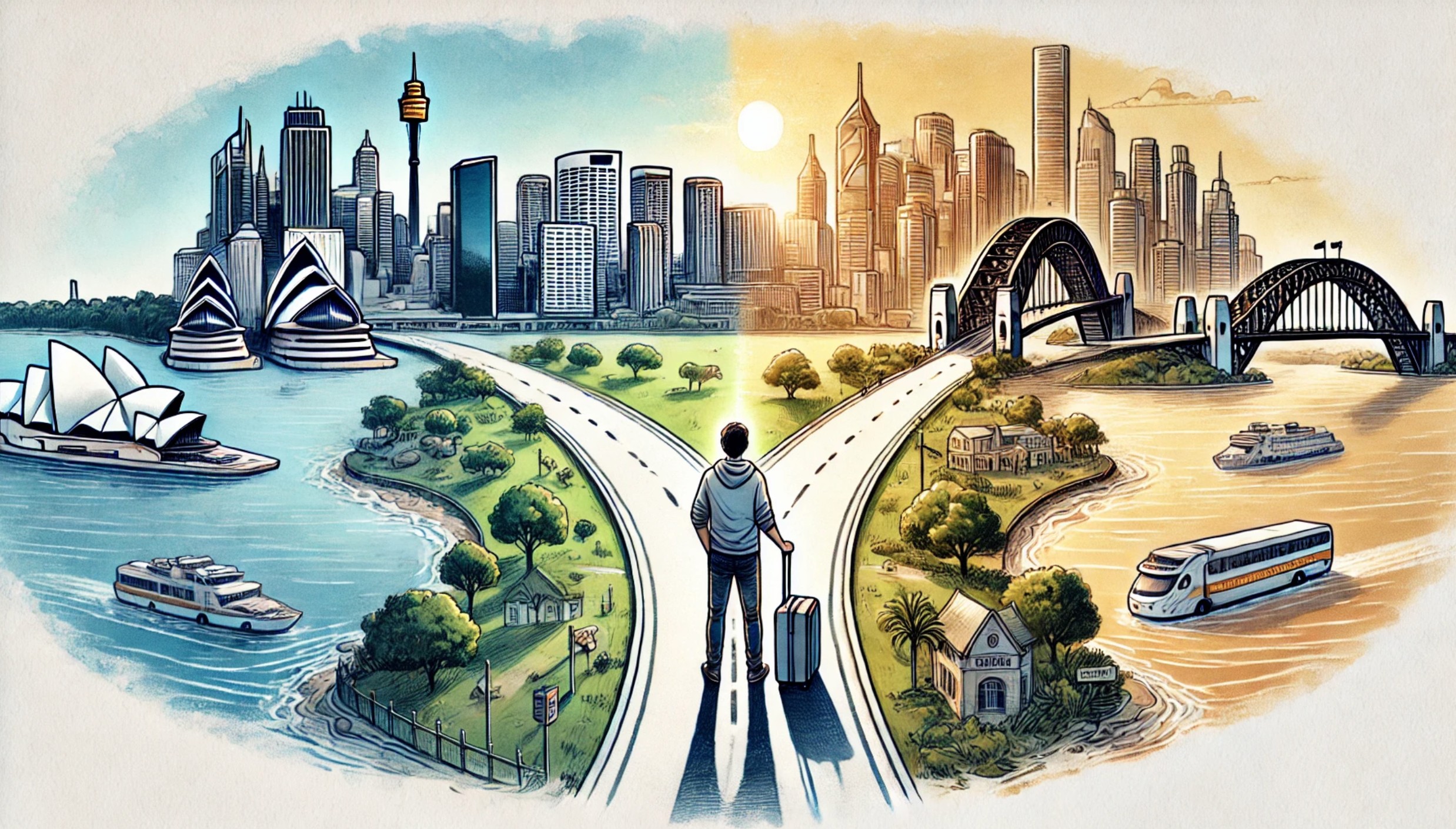
Thinking of moving to Brisbane in 2026? This practical relocation guide explains the key things people usually want to know first: housing, jobs, suburbs, schools, transport, lifestyle, weather, flood risk and whether Brisbane still makes sense as a move.
Moving to Brisbane in 2026: Cost, Jobs, Suburbs and Lifestyle Guide
Brisbane is one of Australia’s most popular relocation choices, but it is no longer a simple “cheap alternative” to Sydney or Melbourne. The city is growing quickly, housing is tighter, and the best move depends on your work, family, suburb choice and lifestyle expectations.
This guide keeps it practical: what improves, what gets harder, and what to check before you pack the car or book the removalist.
Quick answer: is moving to Brisbane still worth it?
For many people, yes - but only if you are moving for the right reasons.
Jump to what matters
Why people are moving to Brisbane
Most people searching for “moving to Brisbane” are not looking for a long economic essay. They usually want to know whether Brisbane will make everyday life better.
The common reasons are straightforward:
- Housing: still generally more affordable than Sydney, especially for families needing space.
- Lifestyle: warmer winters, outdoor living, parks, river walks and weekend access to the Gold Coast, Sunshine Coast and Moreton Bay.
- Work: a smaller but growing economy with opportunities in health, construction, education, government, logistics, cloud, cyber, data and professional services.
- Family life: many people see Brisbane as a more practical city for raising children.
- Future investment: transport, precinct and infrastructure work linked to long-term growth and the 2032 Games.

Moving to Brisbane is usually a trade-off between career, housing, family logistics and lifestyle.
Brisbane is still growing, but the boom is more mature
Brisbane’s population growth is still strong. The latest ABS regional population release shows Greater Brisbane grew by about 58,200 people in 2024–25, a 2.1% increase. That made Brisbane one of the faster-growing capital cities.
That matters because growth supports jobs, services and infrastructure, but it also creates pressure. More people means stronger demand for housing, schools, roads, public transport and healthcare.
Housing: cheaper than Sydney, but not cheap anymore
One of the biggest reasons people consider Brisbane is housing. The gap with Sydney is still meaningful, but Brisbane prices have moved sharply and good suburbs are no longer bargain territory.
Domain’s March 2026 House Price Report listed Brisbane’s median house price at $1,212,195 and Sydney’s at $1,791,643. That still leaves a large gap, but it also shows Brisbane is now a high-value capital city market, not a low-cost secret.
| Question | What to know before moving | Practical tip |
|---|---|---|
| Should I buy straight away? | Buying quickly can be risky if you do not understand commute patterns, flood risk, school zones and suburb differences. | Rent first for 6–12 months if you are unsure where you want to settle. |
| Is renting easy? | Rental demand can be tight, especially for family homes in good school or transport areas. | Start looking early and have documents ready before inspections. |
| Is Brisbane affordable? | It may be more affordable than Sydney or some Melbourne areas, but inner and premium suburbs are expensive. | Compare total cost: rent/mortgage, transport, insurance, school fees and car use. |
Jobs and careers: good opportunities, smaller market
Brisbane has real career opportunities, but it is not Sydney. The job market is smaller, networks matter more, and some highly specialised roles may be harder to replace quickly.
For technology and professional workers, the stronger areas tend to include cloud, cyber security, data, AI-enabled business services, health technology, government transformation, engineering, logistics and construction-related technology.
- If you work remotely: Brisbane can be a strong lifestyle upgrade, but confirm employer rules around location and office visits.
- If you need local work: start networking before the move.
- If you are senior or niche: be more cautious because fewer matching roles may exist.
Where should you live in Brisbane?
There is no single best Brisbane suburb. The right choice depends on your budget, commute, schools, lifestyle and whether you want inner-city, suburban, bayside or acreage-style living.
| Area type | Who it suits | Watch out for |
|---|---|---|
| Inner Brisbane | People who want cafes, short commute, nightlife, hospitals, universities and city access. | Higher rents, smaller homes and parking pressure. |
| Northside and southside family suburbs | Families wanting schools, parks, larger homes and suburban convenience. | Commute can vary widely depending on train/bus access. |
| Bayside and Redlands Coast | People wanting water access, slower pace, family space and weekend island/coastal lifestyle. | Longer CBD commute from some areas. |
| Outer growth corridors | Buyers needing more space or a lower entry price. | Traffic, infrastructure gaps and distance from jobs. |
Bayside areas such as Cleveland and the Redlands Coast can be interesting for families who want more space, water access and a calmer lifestyle while staying connected to Greater Brisbane.
Lifestyle: Brisbane’s biggest selling point
Brisbane’s strongest appeal is everyday liveability. It has warm winters, a strong outdoor culture, parks, river walks, family-friendly suburbs and easy weekend access to the Gold Coast, Sunshine Coast, Moreton Bay and North Stradbroke Island / Minjerribah.
But it is not Sydney with cheaper houses. Brisbane has its own rhythm. The city is river-based rather than beach-based, summers are humid, and some people miss the density, beaches, food scene and career scale of Sydney or Melbourne.
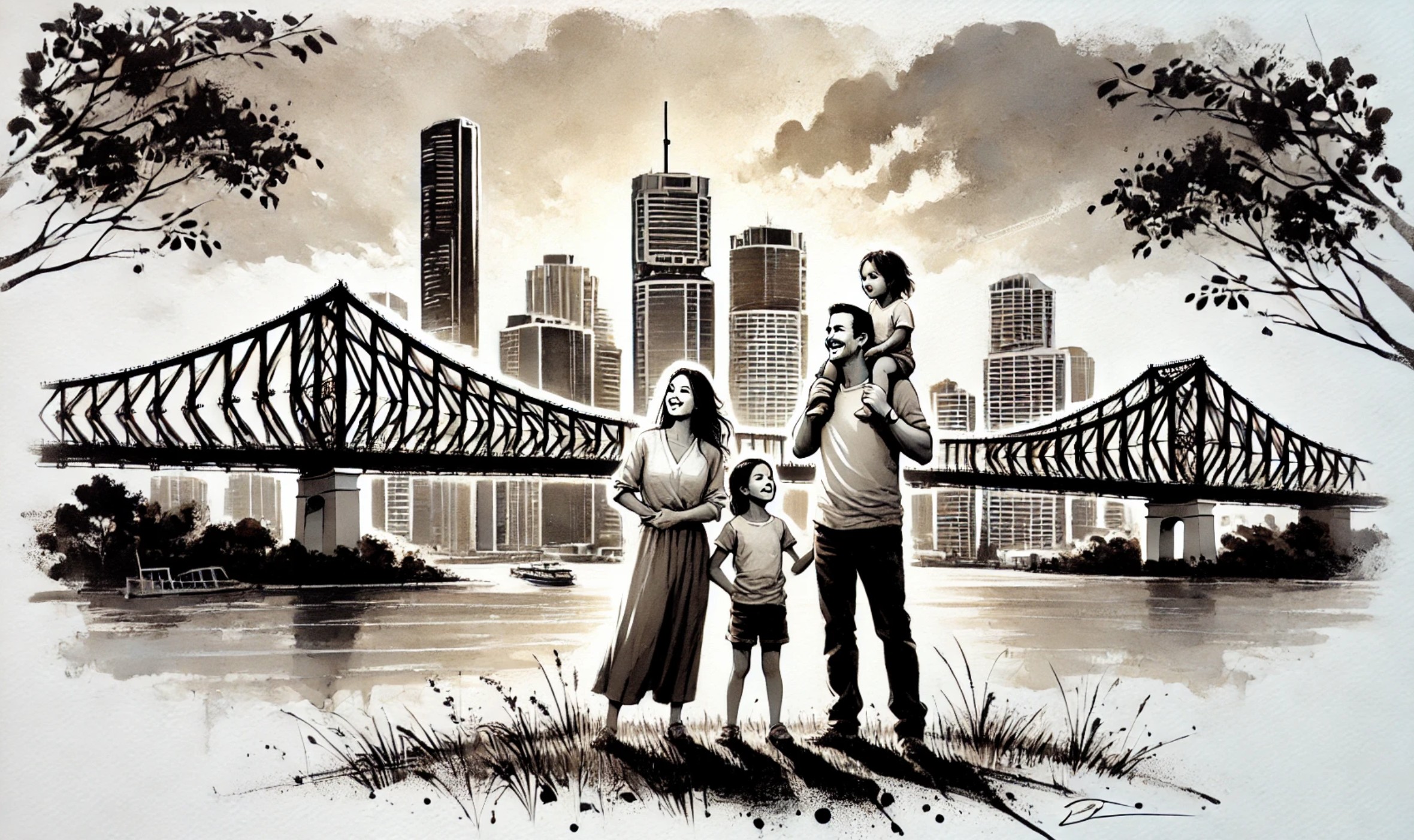
Brisbane’s appeal is strongest when housing, work, family and lifestyle all improve together.
Infrastructure and transport
Brisbane is investing heavily in transport and city infrastructure, helped by long-term growth and the 2032 Olympic and Paralympic Games planning.
Major projects include Cross River Rail, Brisbane Metro expansion and Logan to Gold Coast Faster Rail. The Queensland Government says the Logan and Gold Coast Faster Rail project will double tracks between Kuraby and Beenleigh, improving capacity for all-stops and express trains.
Risks and trade-offs
Moving to Brisbane can be a great decision, but it should not be treated like a fantasy escape from Sydney or Melbourne.
- Housing competition: rents and prices have moved up quickly.
- Smaller job market: good roles exist, but there are fewer of them.
- Humidity: Brisbane summers can be sticky, stormy and uncomfortable if you are not used to them.
- Flood risk: check flood maps and insurance carefully before renting or buying.
- Transport gaps: some suburbs are much easier to live in than others without long car commutes.
- Distance from family/network: this matters more than people expect after the first few months.
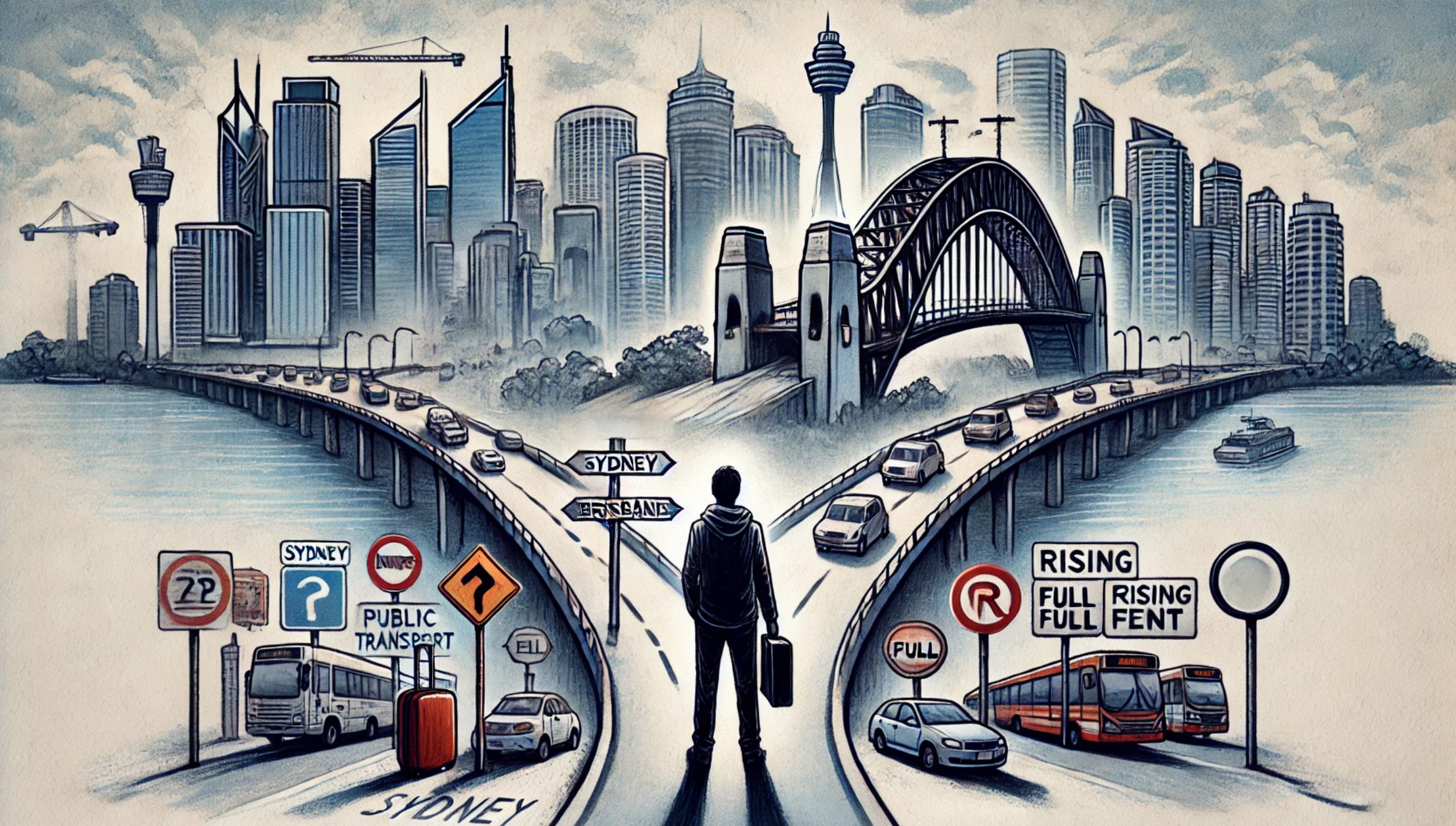
The move can improve quality of life, but only if the numbers, suburb and career plan make sense.
Moving to Brisbane checklist
- Visit for more than a weekend. Try normal weekdays, school drop-off times and peak-hour travel.
- Test your commute. Do not rely only on map estimates.
- Compare total costs. Include housing, insurance, transport, school fees, utilities and car use.
- Speak to recruiters before moving. Especially if your role is niche or senior.
- Check flood risk. This is a Brisbane-specific must-do.
- Research schools and childcare early. Availability can shape suburb choice.
- Rent before buying if unsure. Brisbane suburbs feel very different from each other.
- Prepare for summer. Air conditioning and shade matter.
Moving to Brisbane FAQ
Is Brisbane cheaper than Sydney?
Generally yes, especially for houses, but Brisbane is no longer cheap. The gap with Sydney is still meaningful, but good suburbs and family homes can be expensive.
Is Brisbane good for families?
Yes, many families move for space, schools, parks and a calmer daily rhythm. The key is choosing a suburb that works for commute, school and budget.
Is it easy to find work in Brisbane?
It depends on your industry. Health, construction, education, government, engineering, logistics and technology have opportunities, but the market is smaller than Sydney or Melbourne.
Do you need a car in Brisbane?
In many suburbs, yes. Inner areas and train-line suburbs are easier without a car, but many family-friendly areas still rely heavily on driving.
What should I check before buying in Brisbane?
Check flood risk, insurance cost, commute, school zones, public transport, future development, noise, slope, drainage and local infrastructure.
Final view
Brisbane is not “the next Sydney”, and that is exactly why many people like it. It offers a different balance: warmer climate, more space, outdoor lifestyle, growing opportunities and a city that still feels more manageable than Australia’s largest capitals.
The move makes the most sense if you have a realistic housing plan, a realistic job plan and a suburb that fits your daily life. Get those right, and Brisbane can be a serious upgrade. Get them wrong, and you may simply swap one set of problems for another.
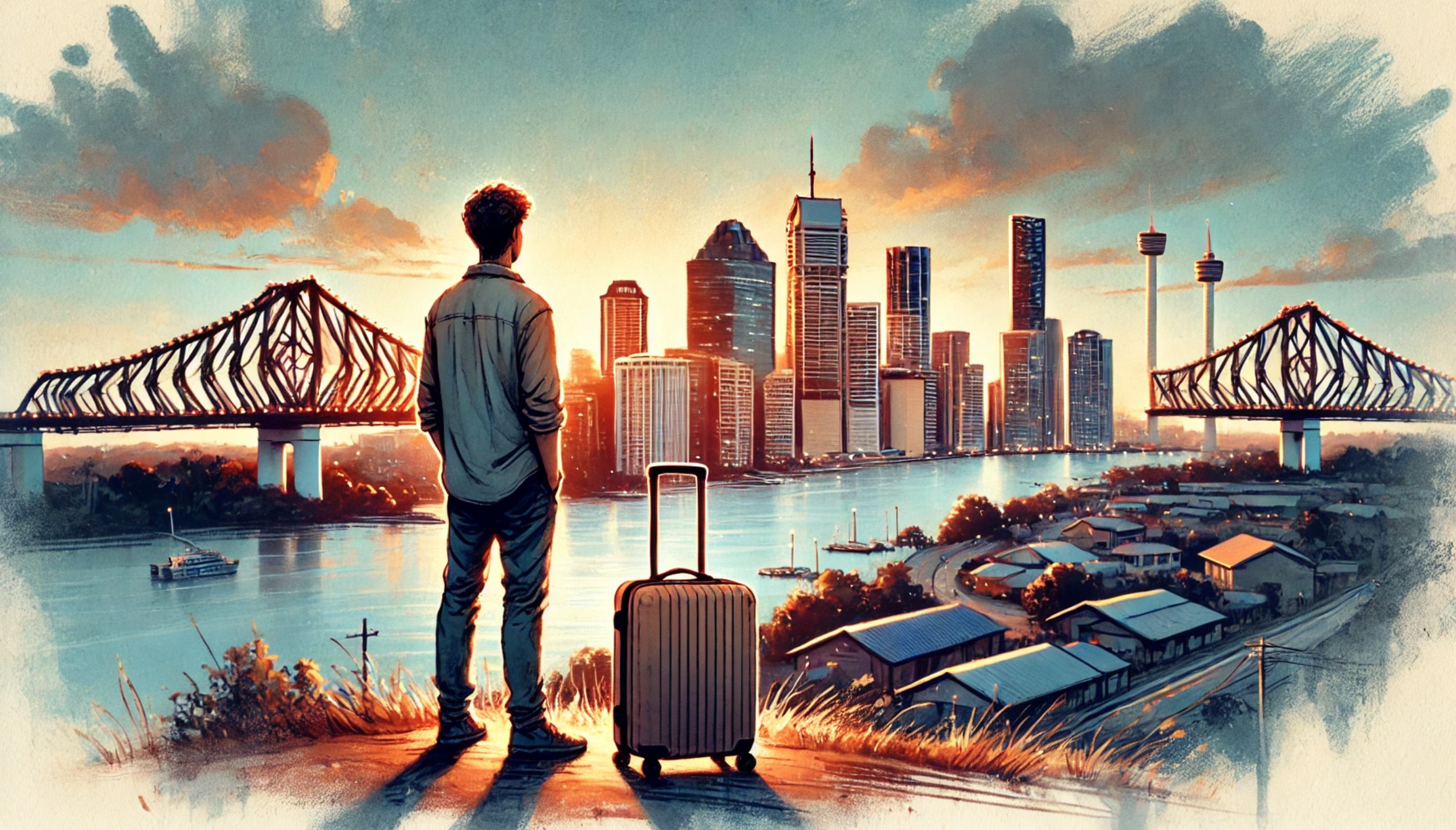
For many households, Brisbane is no longer just a backup option. It is a serious Plan A.